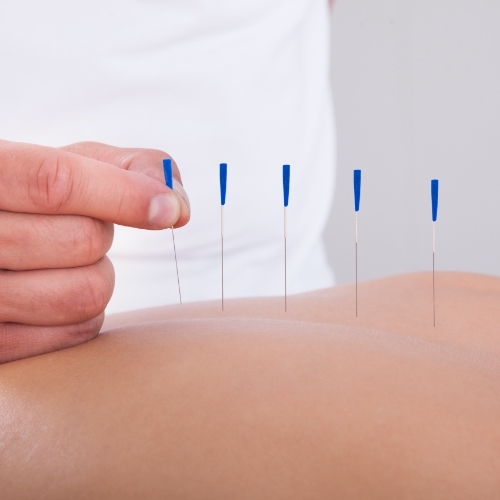
Dry Needling
Dry needling is a treatment technique, also called intramuscular manual therapy (IMT), where a healthcare provider inserts thin, solid needles into the skin to treat myofascial trigger points, which are areas of tight, irritable muscle tissue. It aims to relieve pain, decrease muscle tightness, increase blood flow, and improve movement by promoting the realignment of muscle fibers. This evidence-based method is distinct from acupuncture and is used as part of a larger pain management plan that may include exercise and stretching, and it is generally considered safe with minimal side effects.
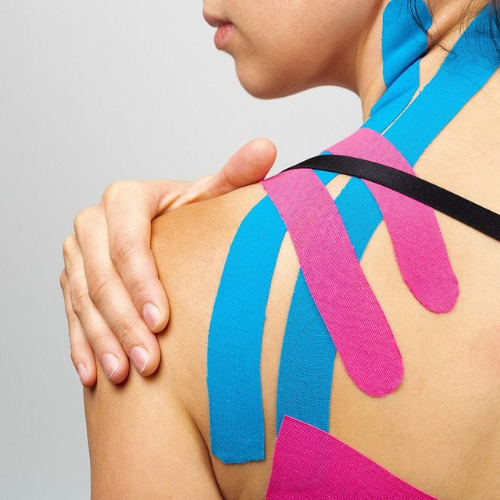
Kinesi Tapping
Kinesiology taping uses elastic, therapeutic tape to provide support, improve posture, reduce pain, and facilitate natural healing by lifting the skin and influencing the vascular and lymphatic systems, without restricting movement. Developed by Dr. Kenzo Kase, it's a versatile technique used by physiotherapists for a range of conditions, from sports injuries to muscle dysfunction, by applying specific tape applications to the body to target various therapeutic goals.Skin Lift and Decompression: Kinesiology tape is designed to create a slight "lift" of the skin, which helps decompress the underlying tissues and may help with lymphatic drainage and blood flow.
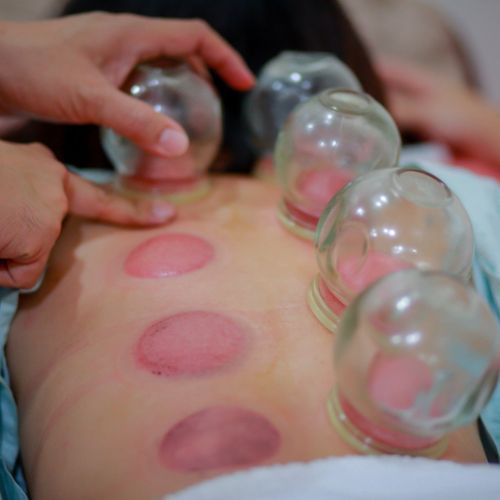
Cupping therapy
Cupping therapy is a therapeutic technique that utilizes a vacuum force created beneath a small vessel applied onto the skin's surface. This activity provides healthcare professionals with an in-depth exploration of cupping therapy—an ancient healing technique that has found its way into contemporary medicine. This activity assists participants in exploring the historical background, methods, and advantages of cupping therapy, encompassing its utilization in pain management, musculoskeletal disorders, and various other health conditions. By engaging in evidence-based discussions, analyzing case studies, and participating in practical demonstrations, learners review cupping therapy's potential effectiveness, safety considerations, and the methods for incorporating it as a complementary treatment option into their clinical practice.
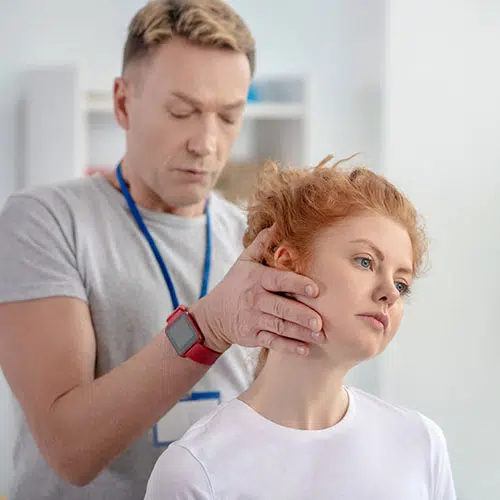
Vestibular Rehabilitation
Vestibular rehabilitation (VR) is an individualized, evidence-based exercise program designed by a specialized physical therapist to treat dizziness, vertigo, and balance problems caused by vestibular dysfunction. It aims to improve gaze stability, balance, and overall quality of life by facilitating the brain's natural recovery processes, such as vestibular adaptation, substitution by other sensory systems, and habituation.A specialized form of physical therapy focused on vestibular disorders. An exercise-based approach that helps the brain and body compensate for impairments in the vestibular system, which is responsible for balance and spatial orientation.
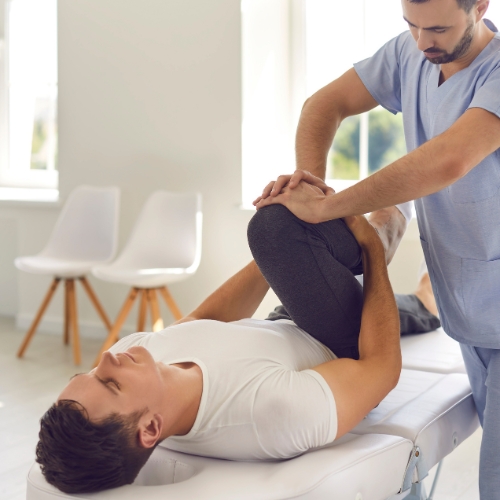
Pre and post operative Physiotherapy
Pre- and post-operative physiotherapy involves a coordinated approach to improve surgical outcomes by preparing the body before surgery (prehabilitation) and guiding the patient through a structured rehabilitation program after surgery. Pre-operative care enhances a patient's physical conditioning, educates them about the procedure, and sets realistic goals, which can shorten hospital stays and recovery times. Post-operative care focuses on restoring mobility and strength, reducing pain and swelling, and preventing complications through tailored exercises and early mobilization. This integrated process is crucial for optimizing recovery, regaining physical function, and improving overall quality of life after surgery.
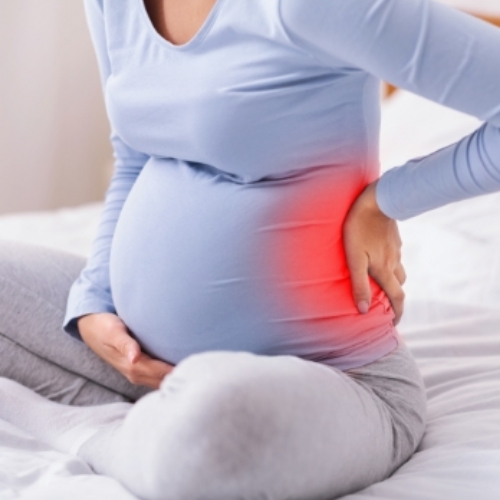
Antenatal and post natal Physiotherapy
Antenatal and postnatal physiotherapy involves tailored exercise programs, education, and manual therapy to support maternal health before and after childbirth. Before birth, it aims to improve posture, strengthen the pelvic floor, and prepare the body for labor. After birth, it focuses on restoring muscle strength, treating postpartum pain (such as back pain or diastasis recti), and helping with pelvic floor and bladder issues.Improving Posture and Mobility: Education and exercises to maintain flexibility and good posture, preventing issues caused by changes in the body. Pelvic Floor Strengthening: Guiding women on how to strengthen and control their pelvic floor muscles, which is crucial for bladder control and childbirth.
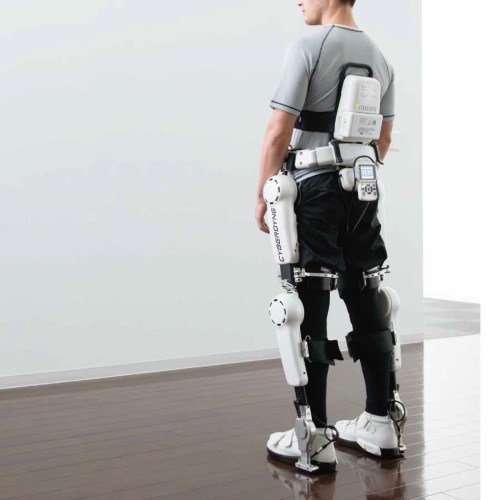
Robotic Assissted Physiotherapy
Robotic therapy in physiotherapy uses robotic systems to provide controlled, repetitive, and adaptive movements to patients recovering from injuries, strokes, or surgery, enhancing recovery through precise guidance, objective progress tracking, and increased therapy intensity. These devices help with motor relearning, provide real-time performance feedback to engage patients, and can reduce the physical strain on therapists. Key benefits include more effective and frequent therapy, a safer environment for practice, objective data for treatment adjustments, and faster, improved patient outcomes.Guide movements: Robots can provide passive, active-assistive, or active exercises, guiding the patient's body through prescribed ranges of motion. Provide resistance: For patients with developing strength, robots can offer resistance to help them build muscle and improve function.
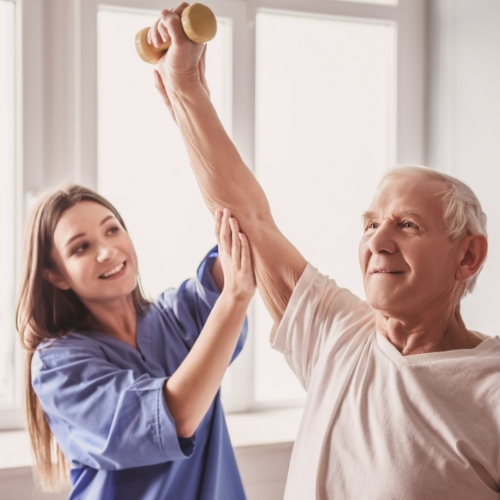
Geriatric physiotherapy
Geriatric physiotherapy is a specialized branch of physical therapy focusing on the unique needs of older adults to improve mobility, balance, strength, and overall function, addressing age-related issues like arthritis, osteoporosis, and balance disorders to maintain independence and quality of life. Therapists use individualized treatment plans including exercises, manual therapy, and fall prevention strategies to help seniors perform daily activities, manage chronic pain, and adapt to age-related changes.Enhance Balance: Reduces the risk of falls, a major cause of injury in the elderly, through specific balance exercises.Increase Strength: Builds muscle strength to support everyday activities and improve confidence.
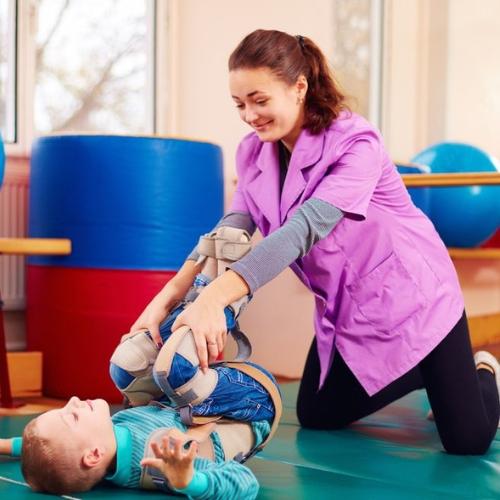
Pediatrics Physiotherapy
Paediatric physiotherapy is a specialized healthcare field that focuses on the assessment, diagnosis, and treatment of physical and developmental challenges in children from infancy through adolescence. It aims to improve a child's motor skills, strength, balance, coordination, and overall physical function through tailored exercises, therapeutic techniques, and play-based activities. Paediatric physiotherapists help children manage conditions like cerebral palsy and cystic fibrosis, enhancing independence and quality of life while reducing the need for more invasive medical interventions.Children with congenital conditions or injuries sustained during childhood Families requiring support and education to manage their child's physical needs at home.
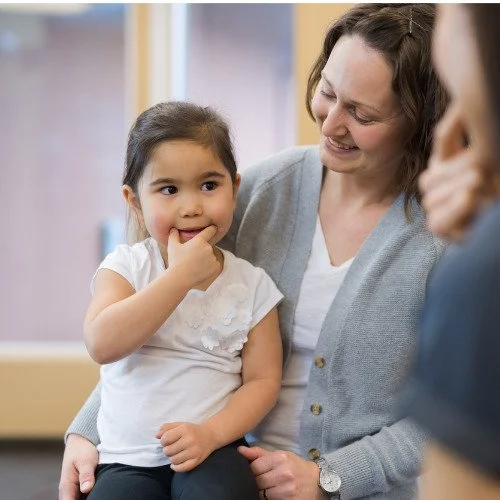
Eg.Cerebral palsy, autism
Yes, it's possible for a child to have both cerebral palsy (CP) and autism spectrum disorder (ASD), as both are brain development disorders and studies show a higher risk of co-occurrence. CP affects motor function, while ASD impacts social, communication, and behavioral skills, and early diagnosis of both is essential for effective, integrated treatment.Cerebral Palsy (CP): This is a group of disorders affecting movement and posture due to damage to the developing brain before, during, or shortly after birth. Symptoms include abnormal muscle tone, involuntary movements, poor balance, and difficulty with coordination.Autism Spectrum Disorder (ASD): A broad term for developmental disorders affecting social interaction, communication (verbal and nonverbal), and behavior.
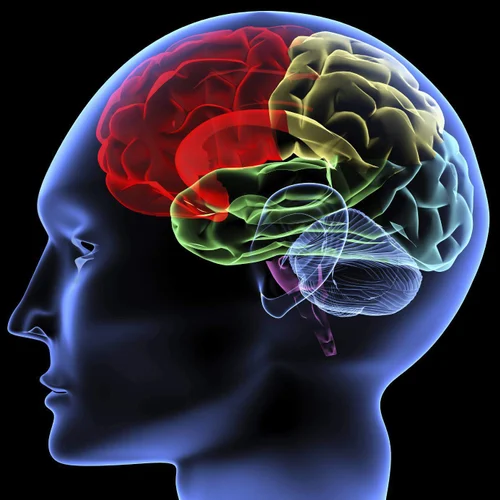
Neuro Physiotherapy
Neuro Physiotherapy, or neurological physiotherapy, is a specialized area of physical therapy focused on assessing and treating individuals with conditions affecting the brain, spinal cord, and nerves, such as stroke, Multiple Sclerosis (MS), and Parkinson's disease. It uses therapeutic exercises, manual therapy, and neuromuscular re-education to improve mobility, balance, coordination, and overall function, leveraging the brain's neuroplasticity to create new neural pathways and maximize patient independence and quality of life.Restoring and Improving Movement: Helping individuals regain lost movement and improve coordination and balance.Promoting Neuroplasticity: Facilitating the brain's ability to create new pathways to compensate for damaged areas.
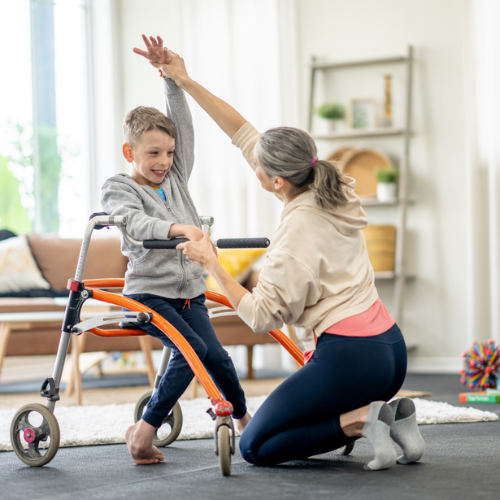
Eg. Hemiplegia,paraplegia, parkinsonism.
Hemiplegia, paraplegia, and Parkinsonism are neurological conditions: Hemiplegia is paralysis on one side of the body, often caused by stroke. Paraplegia is paralysis of both legs, typically due to spinal cord injury. Parkinsonism refers to a collection of symptoms (like tremors, stiffness, and slow movement) that mimic Parkinson's disease, and can be caused by Parkinson's disease itself or other brain conditions.What it is: The loss of muscle function on one side of the body, affecting an arm, leg, or face on that side.Common causes: Often caused by damage to one side of the brain, such as from a stroke, but can also result from other brain injuries or, less commonly, spinal cord damage.Symptoms: Muscle stiffness, loss of movement, and difficulty with control on the affected side.
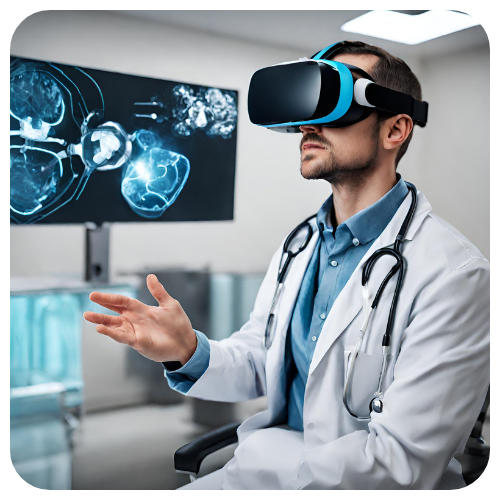
Virtual imagining
"Virtual imagining" most commonly refers to the use of virtual reality (VR) technology to create immersive, computer-generated 3D environments for training, diagnosis, and entertainment, offering innovative solutions in fields like medicine and education by allowing users to interact with and explore simulated worlds. The term can also refer to the physics concept of virtual images, which are images formed by an optical system where light rays appear to originate from a point but do not physically meet.Immersive Simulation: VR creates a fully simulated 3D world where users feel present, often using headsets and other wearable devices.Applications in Healthcare: In medicine, VR is used for advanced imaging applications, training radiology students, allowing them to conduct virtual radiographic examinations, and planning complex surgeries, such as aortic arch replacements.
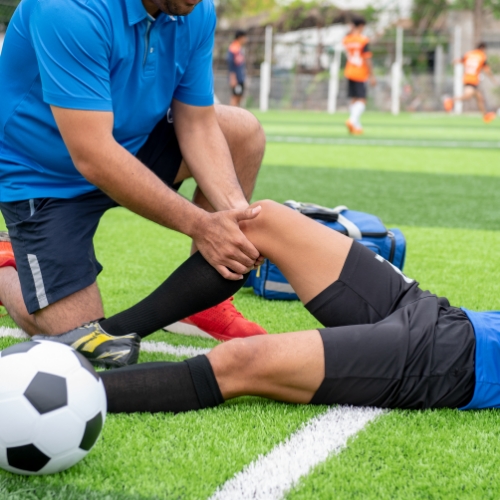
Sports Physiotherapy
Sports Physiotherapy plays a vital role in enhancing athletic performance, preventing injuries, and speeding up recovery. It is a specialized branch of physiotherapy that focuses on the unique demands of sports and physical activities. Through targeted exercises, manual therapy, and advanced rehabilitation techniques, sports physiotherapists help athletes regain strength, flexibility, and endurance after injuries. Their expertise ensures a safe and effective return to training and competition. Beyond treatment, sports physiotherapy also emphasizes injury prevention. By assessing posture, movement patterns, and muscle imbalances, physiotherapists design personalized programs to reduce the risk of future injuries and optimize performance. Whether you are a professional athlete or a fitness enthusiast, sports physiotherapy supports your journey by keeping you active, strong, and resilient.